1. Assess what happened
The team learns what caused the contamination and how far it spread. It notes porous items such as carpet and mattresses that often cannot be fully disinfected.
Port Wentworth, GA · Chatham County
Need a biohazard remediation service in Chatham County? Call (877) 812-4220. Crews decontaminate Port Wentworth homes, rentals, offices and vehicles with PPE, EPA-registered disinfectants and sealed waste containers.
If anyone is in danger, call 911 first. For a suicide crisis, call or text 988.
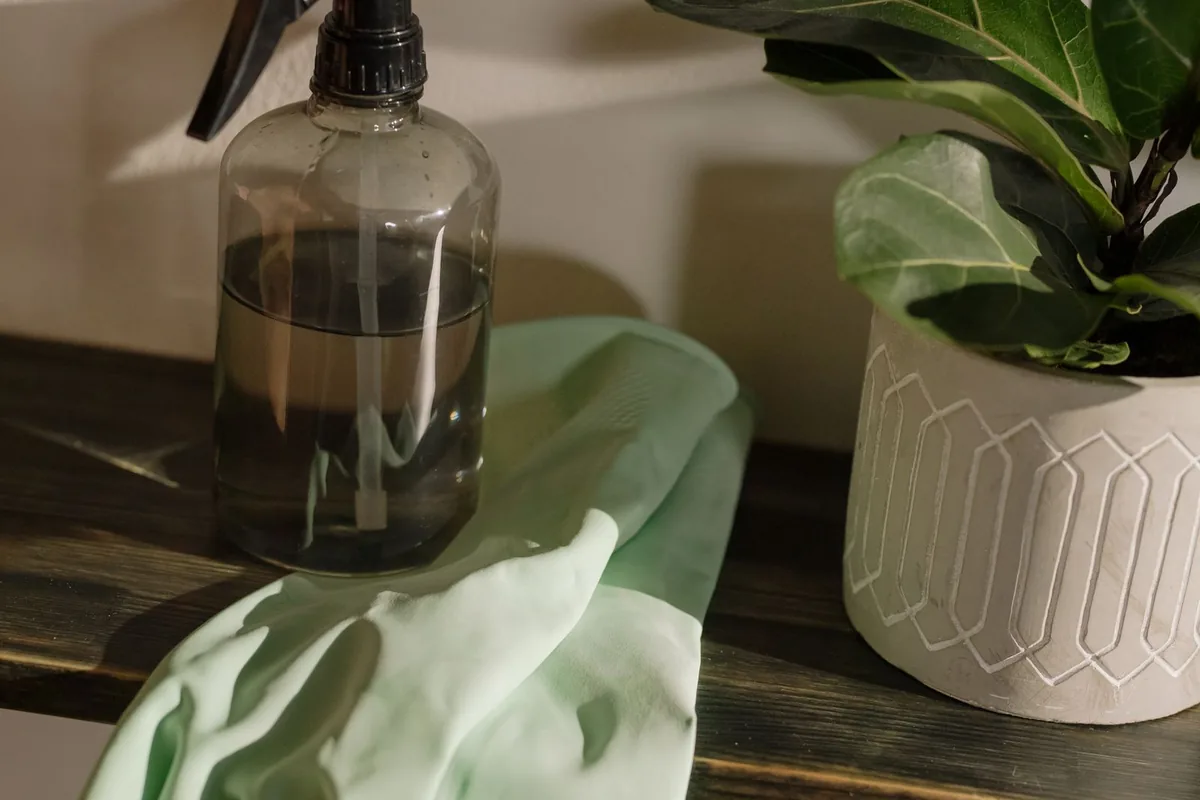
Biohazard decontamination is the process of making a contaminated space safe again by removing visible material, cleaning every surface and applying a disinfectant matched to the germs involved. It is also called biohazard remediation.
Need biohazard remediation specialists in Port Wentworth or Chatham County? Get help from Port Wentworth Biohazard Cleanup Help. Your crew uses EPA-registered disinfectants, removes items that germs have soaked into and keeps each job discreet.
Renters make up about 41% of households in Port Wentworth, so landlords often order decontamination between tenants. The nearest emergency room, Candler Hospital in Savannah, is about 11 miles from Port Wentworth. Anyone with symptoms after exposure should seek medical care first, then set up decontamination.
What biohazard decontamination covers:
The team learns what caused the contamination and how far it spread. It notes porous items such as carpet and mattresses that often cannot be fully disinfected.
Gloves, eye protection, respirators and disposable suits go on before the crew crosses the boundary. Doors and vents in the work area are managed.
Porous materials that cannot be cleaned are removed. All other surfaces are scrubbed and then disinfected in layers.
Waste is packed for regulated hauling, and odor is addressed at the source. The crew shares photos and a summary of the work.
Biohazard decontamination in Port Wentworth, GA typically costs $1,000 to $15,000, depending on the size of the affected area and the materials involved.
Insurance may cover decontamination after a covered event, often after the deductible. Calling the insurer before work starts and keeping every receipt can ease the cost.
| Type of job | Typical range |
|---|---|
| Residential average range | $1,800 - $4,500 |
| Typical national range | $3,000 - $5,000 |
| Biohazard cleanup, published span | $1,000 - $15,000 |
Estimates only, not a quote. Sources: Fixr, Yelp Costs, Biohazard cleanup company pricing guide. Price drivers include type of contamination, size of the space, surfaces affected, waste disposal. Call (877) 812-4220 to talk through the job.
Ask what training the crew has, how it deals with waste, whether it works with insurers and what records you get. Request references and a clear description of the steps. Then decide whether the company fits your needs.
It does when the source is removed. Smells from sewage, fluids or decay live in porous materials and subfloors, so crews take those out and treat the air. Air fresheners cover a smell for only a short time.
Not always. Different germs need different products, and the product label says what it targets and how long it must stay wet. Never mix bleach with other cleaners, because some mixes make harmful gases. A local team picks products that match the germs involved.
Light, simple messes may be manageable with gloves and the right product, but blood, sewage and infectious material are not. Mistakes can spread germs, and household cleaners often miss what soaked into porous items. Crews use PPE, containment and tested procedures.
A biological hazard is any living organism or material from one that can harm health. Examples are bacteria, viruses, mold, blood, bodily fluids, sewage and animal waste. Chemicals and radiation are a different type of hazard.
Disinfectant does not work well on dirty surfaces, because residue can shield germs from the product. Crews remove visible material, clean every surface with detergent and then apply disinfectant for the contact time on its label. Skipping the cleaning step is a common reason a job fails.
One call starts the process, and you decide whether to go ahead.
Call (877) 812-4220